
Food For Souls – Remembering The Ones Who Have Gone Ahead
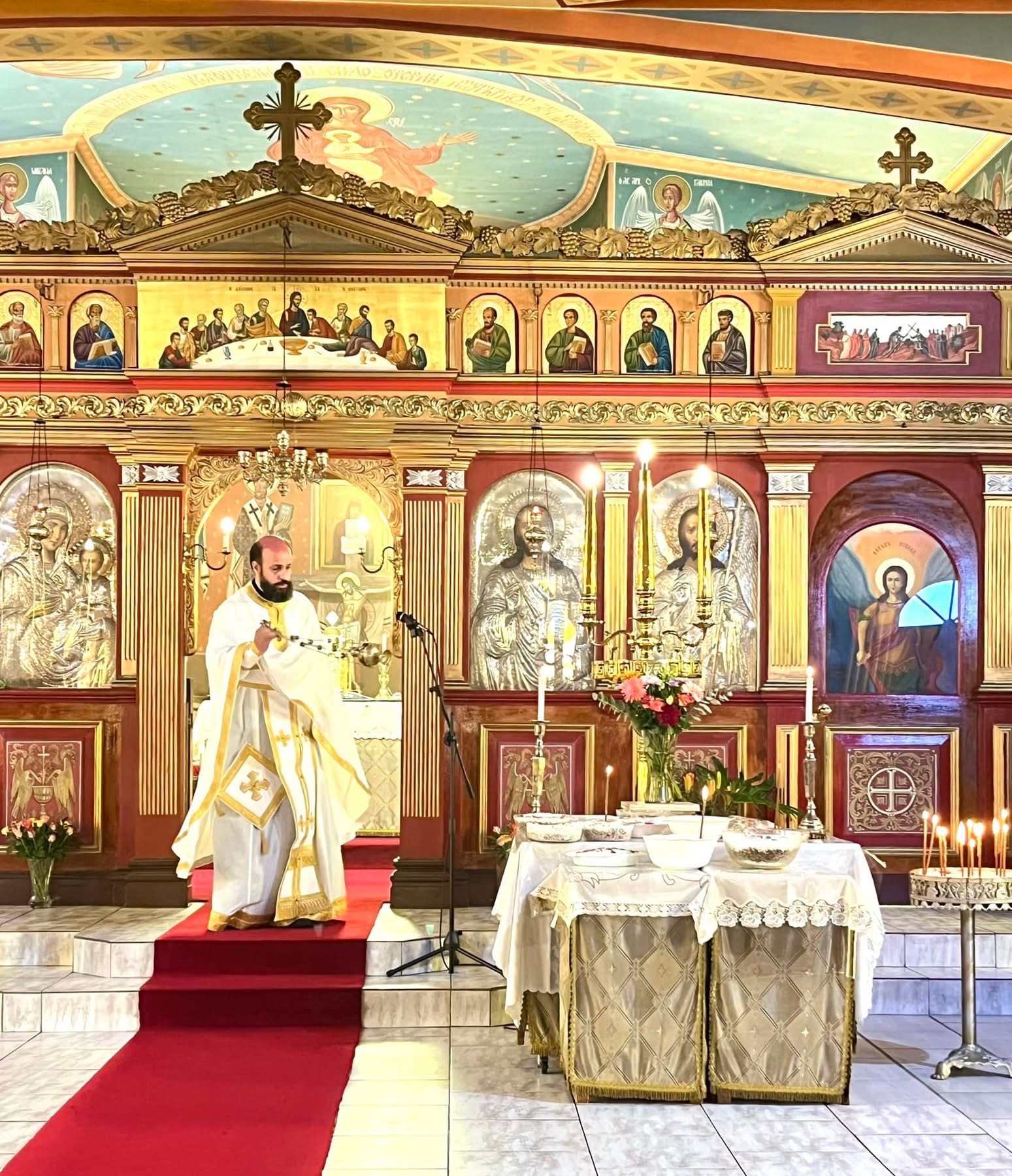
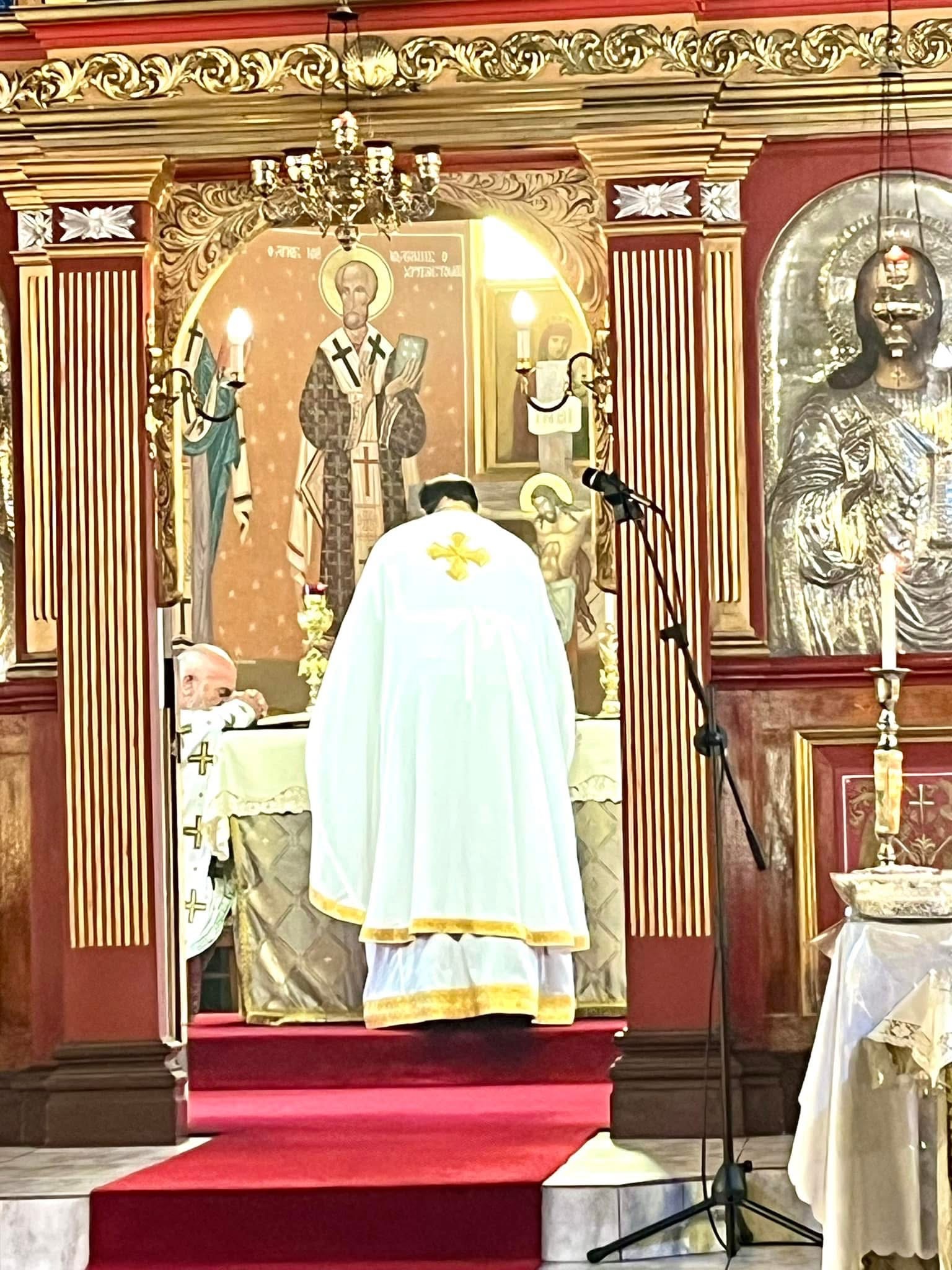
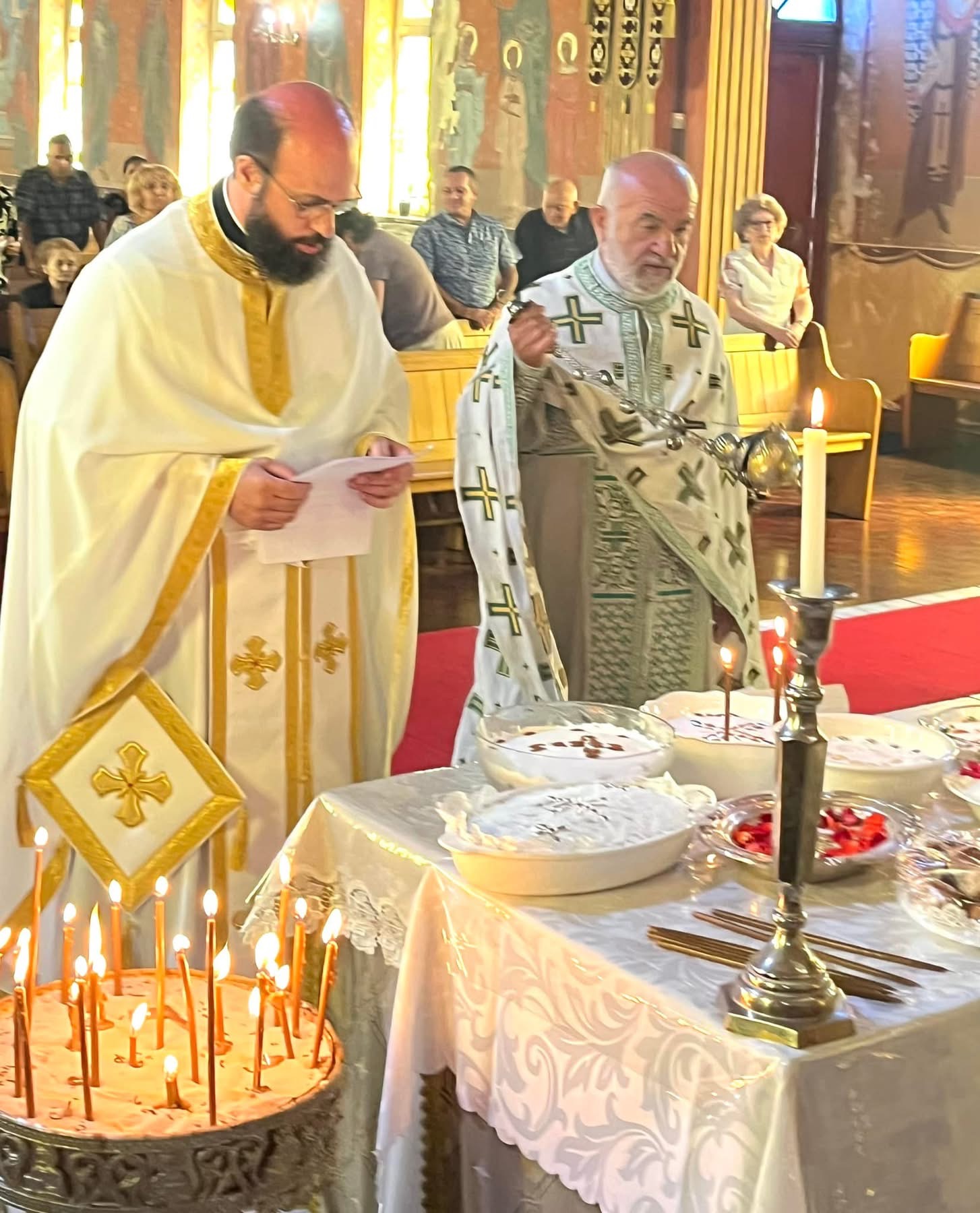
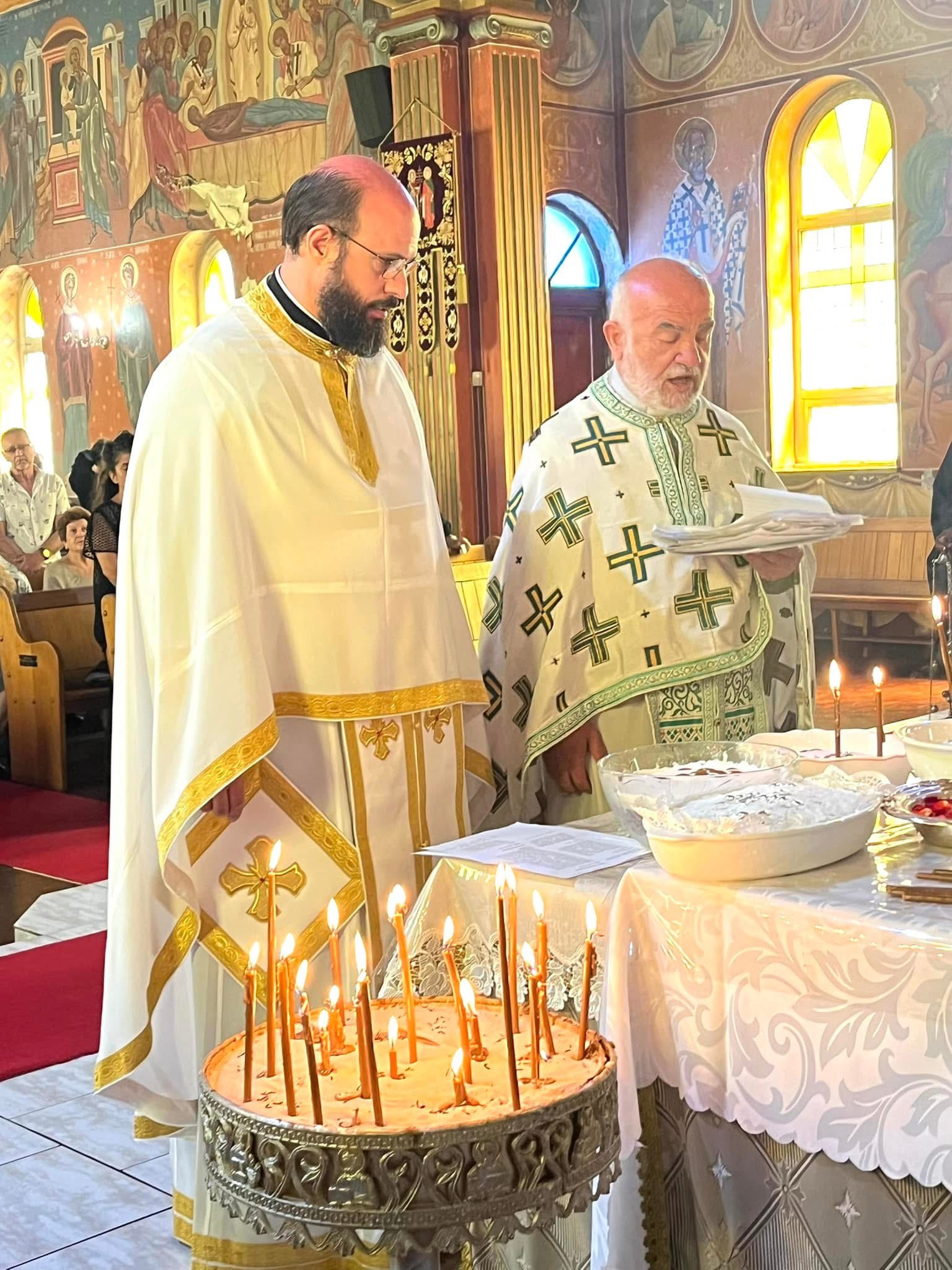
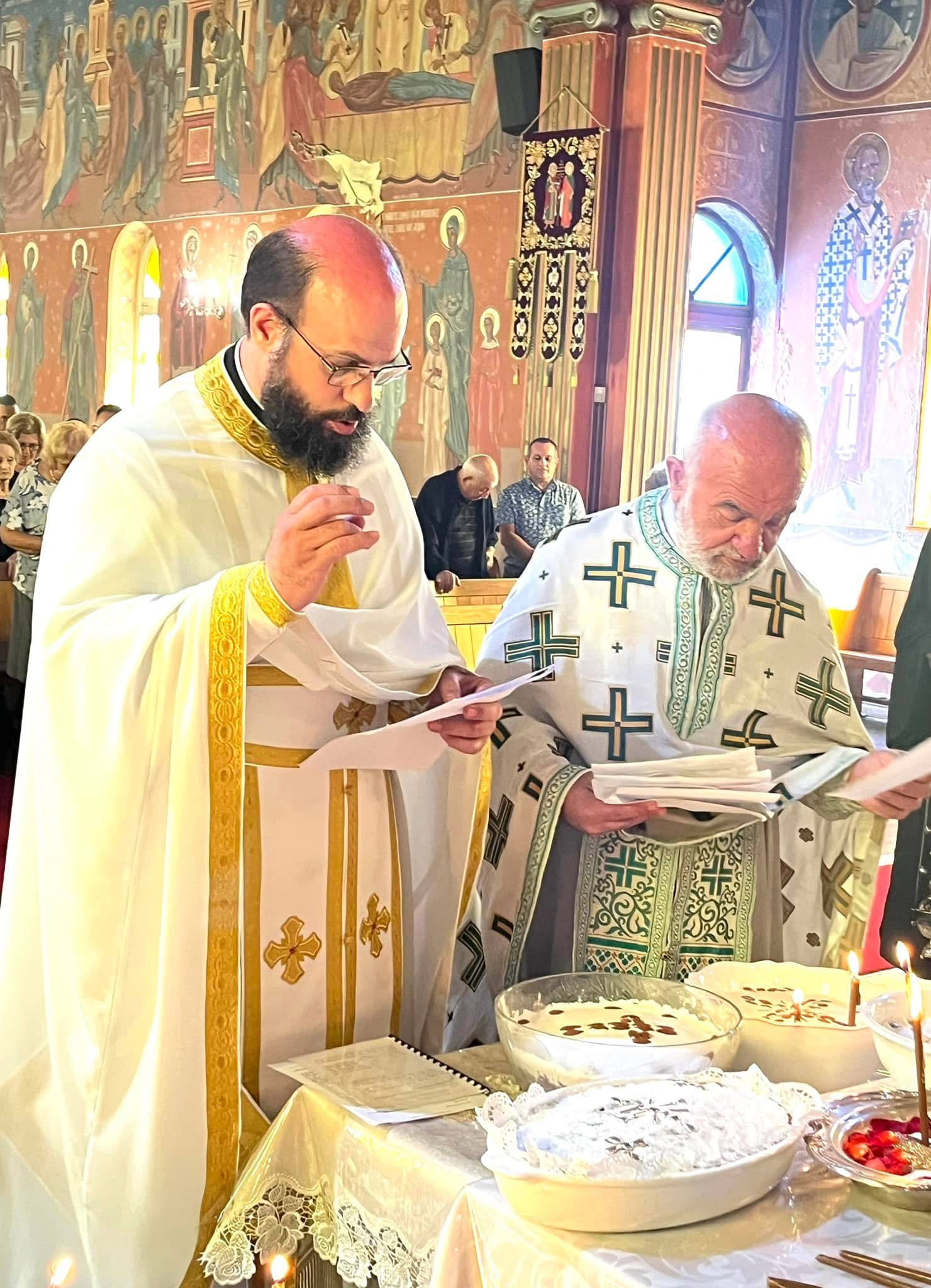
On Saturday 22 February 2025 we commemorated the Saturday of Souls at St George’s Cathedral, with Archimandrite Doukas and Pater Nikolaos.
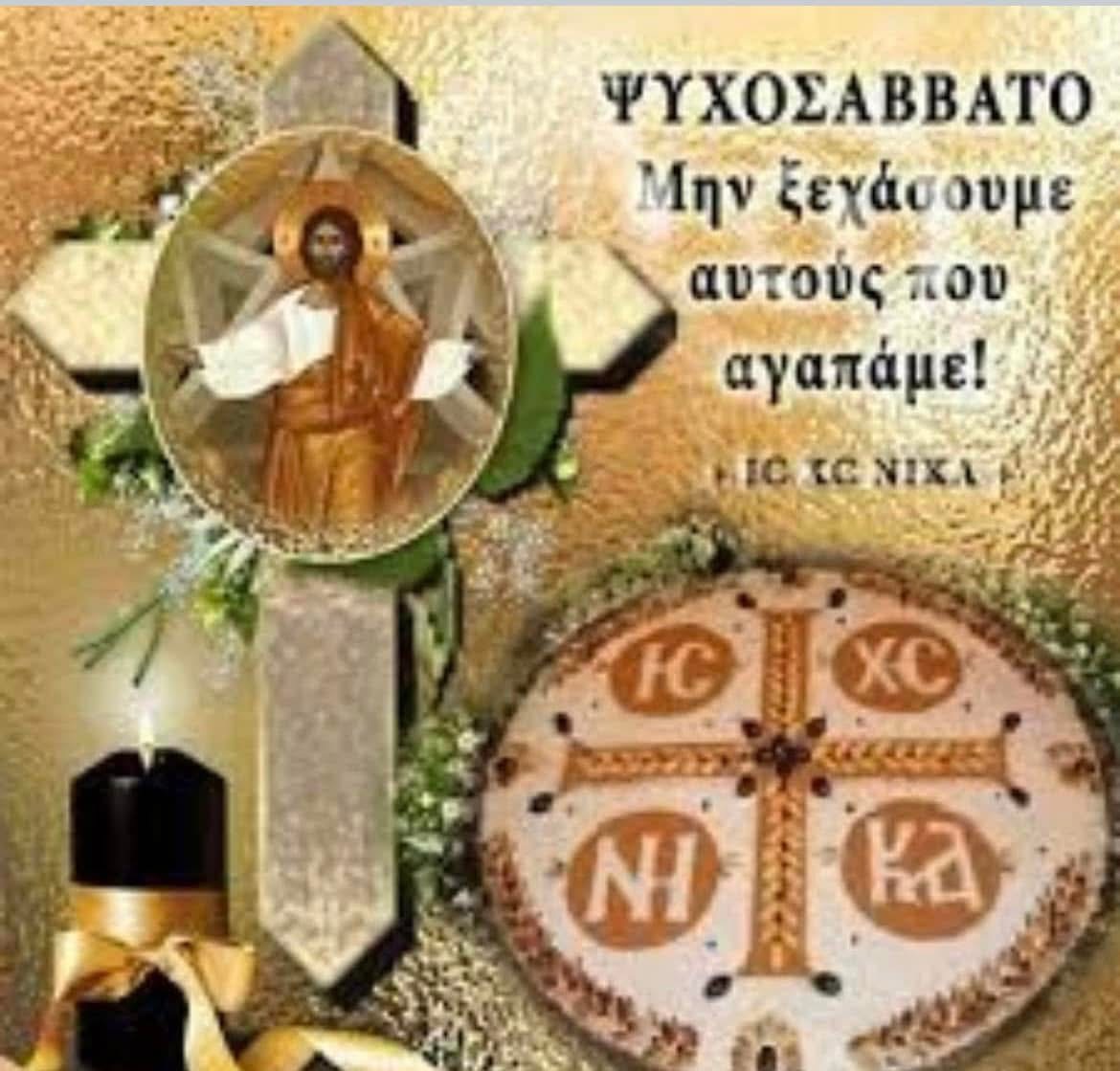
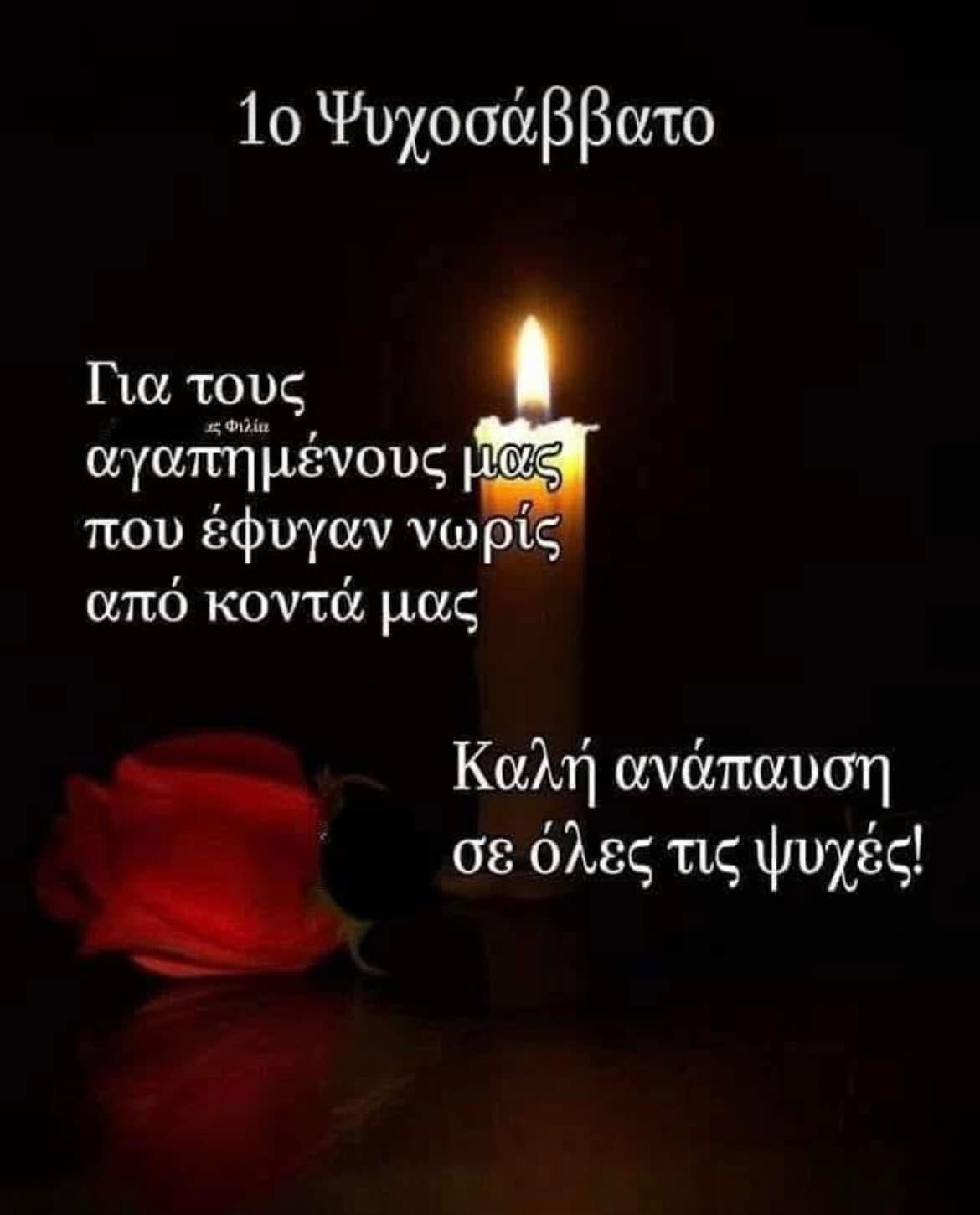
It was Psichosavato or Saturday of the Souls, one of the Saturdays set aside in the Greek Orthodox liturgical calendar to remember our dear ones who have passed on.
It’s also part of our process for preparing for Lent which begins on 3 March. The final Saturday of Souls takes place before Pentecost and closes the Easter season.
It falls on a Saturday as this day of the week holds a special significance because it is the day that Jesus lay dead in His tomb after being crucified, awaiting his resurrection.
A special church service is held on the Saturday of Souls so that we can offer prayers in memory of all those people we have lost.
The priest reads out a list of the names of the dead so that the whole congregation can participate in recalling those beloved souls and we all pray for the forgiveness of their sins, their eternal memory and their resurrection.
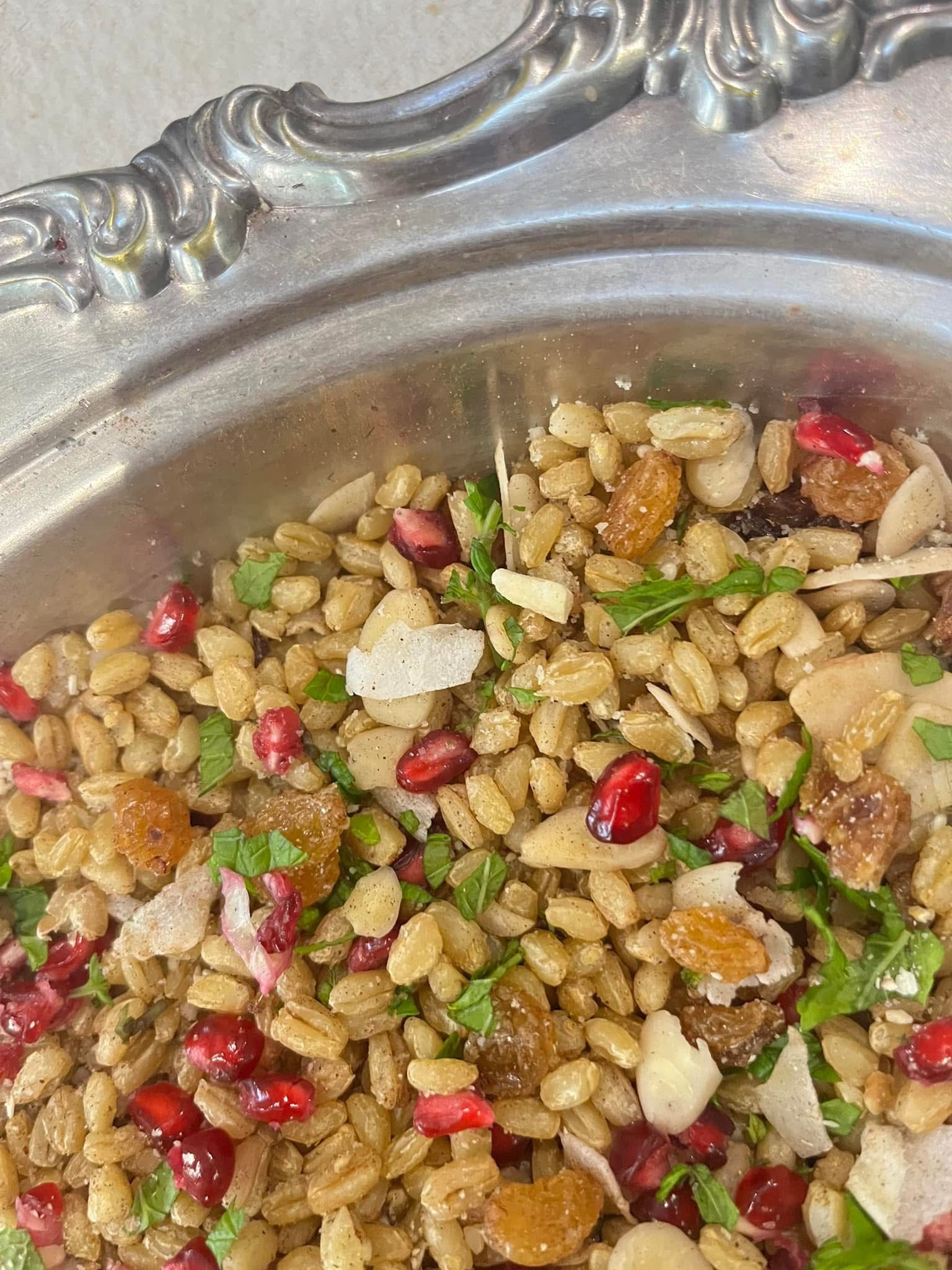
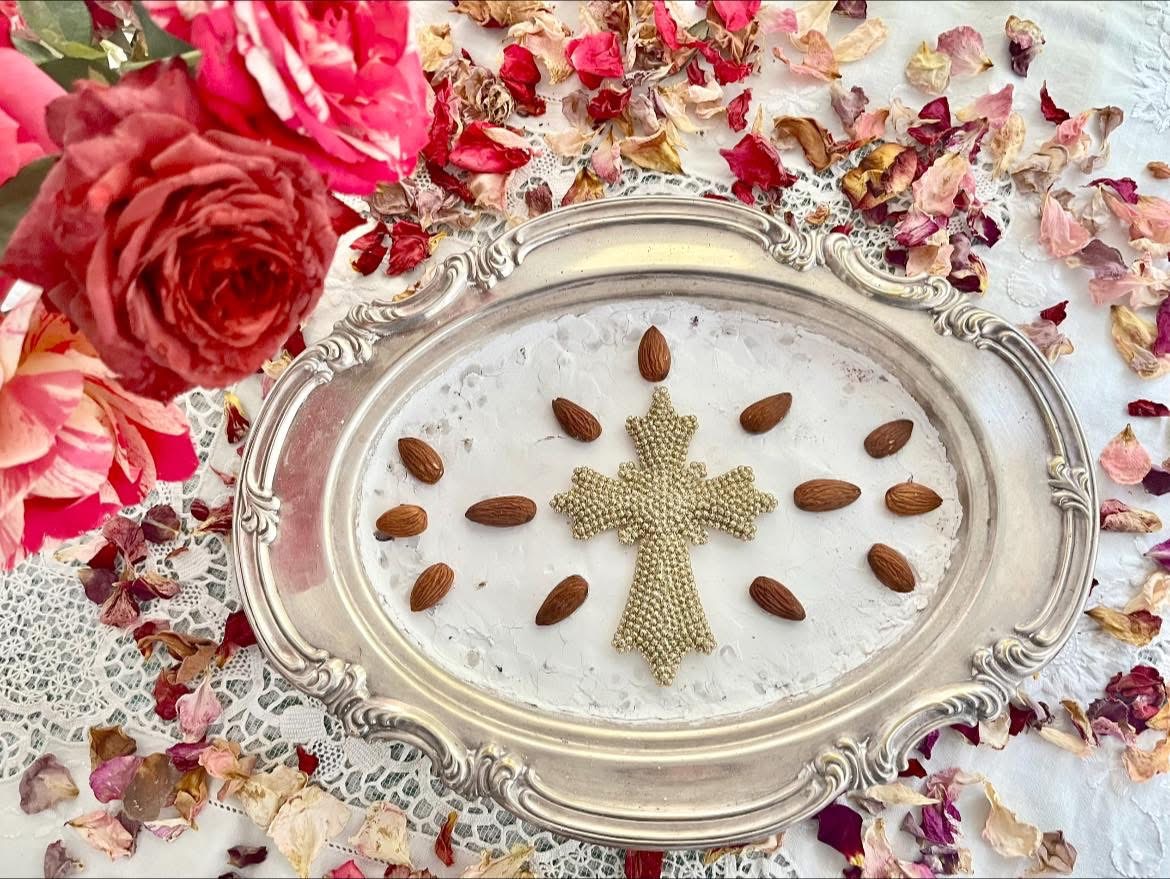
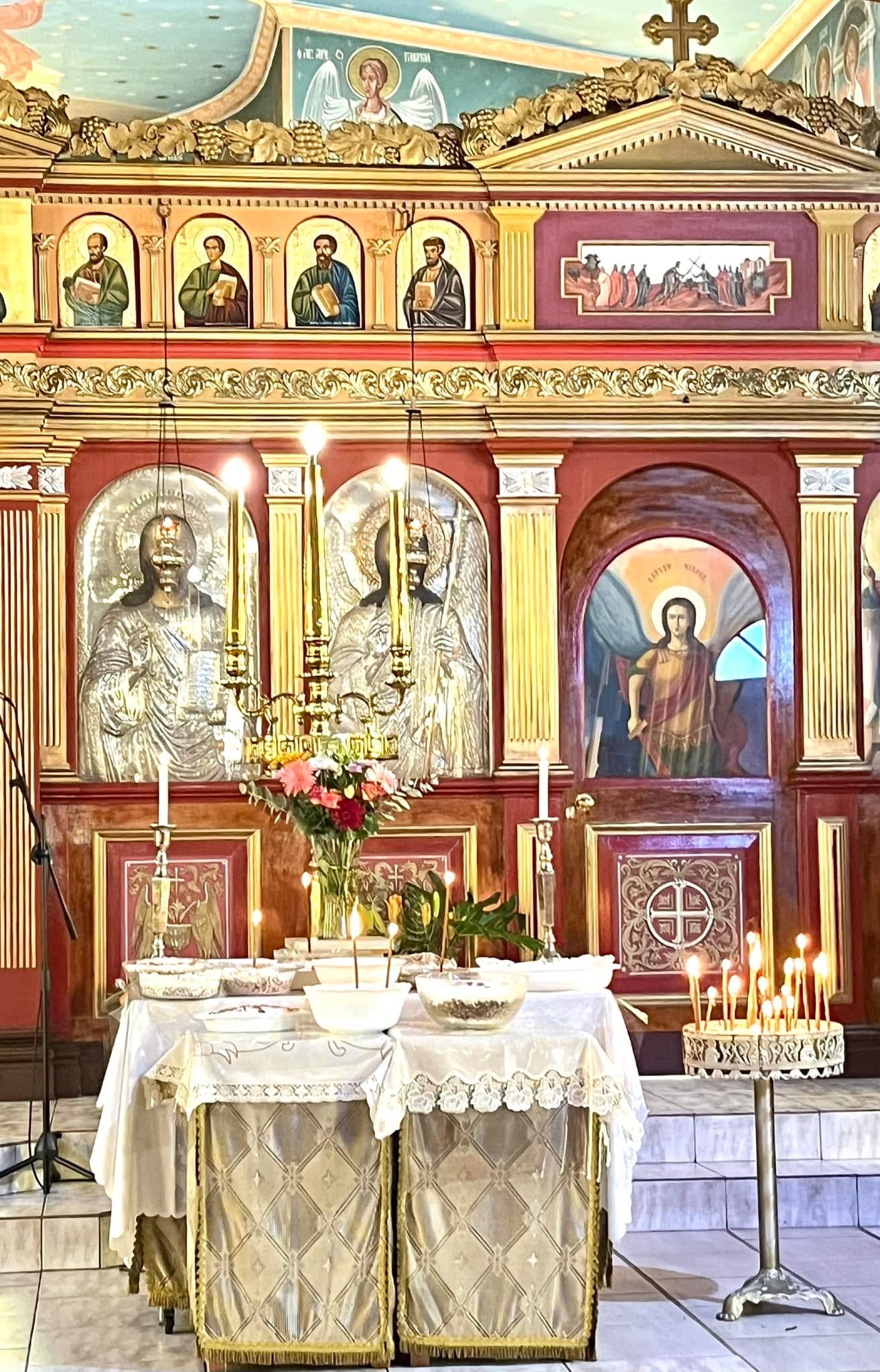
Families of the departed prepare a symbolic dish made of spiced and sweetened boiled wheat kernels, sultanas, raisins, almonds, walnuts, sesame seeds, and pomegranate rubies covered in a thick crust of icing sugar which is embellished with a cross and is called “Kolyva”.
We take it to Church and place it on a table in front of the altar so that the priest can bless it as well.
Farro or wheat berries are often used to make salads but it’s best known as the main ingredient in Kolyva.
The ingredients of Kolyva represent numerous stages of our circle of life and death . The wheat berries represent the body of the deceased and are an expression of eternal life as they continue to be fruitful.
The warm spices of cinnamon and clove that are added represent a life well-lived. There is no sadness or sorrow in Heaven, so adding a pop of green from parsley or mint that is always refreshing and invigorating imparts the message of serenity and calm.
The pomegranate symbolizes resurrection and eternal life and also the many glowing “rubies” represent the Church, unity in faith, and a community of believers.
Finally there is a deep layer of powdered sugar to symbolise the sweet welcome into heaven and our promised life with Christ.
While mostly associated with Orthodox Christian ceremonies today, the roots of Kolyva’s first appearance can be traced back to Ancient Greece.
The word “kolyva” stems from the Ancient Greek word κόλλυβoς (kollybos), which originally meant “a small coin” and later became the plural for small pies made of boiled wheat.
A mixture of cooked seeds and nuts and dried fruits were offered during the pagan festival of the Anthesteria. This was a three-day festival in ancient Athens that celebrated the start of spring and the readiness of wine but was also a festival of the dead.
The ritual of our Christian Orthodox Kolyva has comforted us through the centuries and combines faith with tradition but also it is a celebration of life and the eternal connection with those who have passed on.
At the end of the service each family mixes and shares their Kolyva with others at the church so we all participate in each other’s memorials. This funeral “cake” is traditionally part of memorial services in the Greek Orthodox Faith.
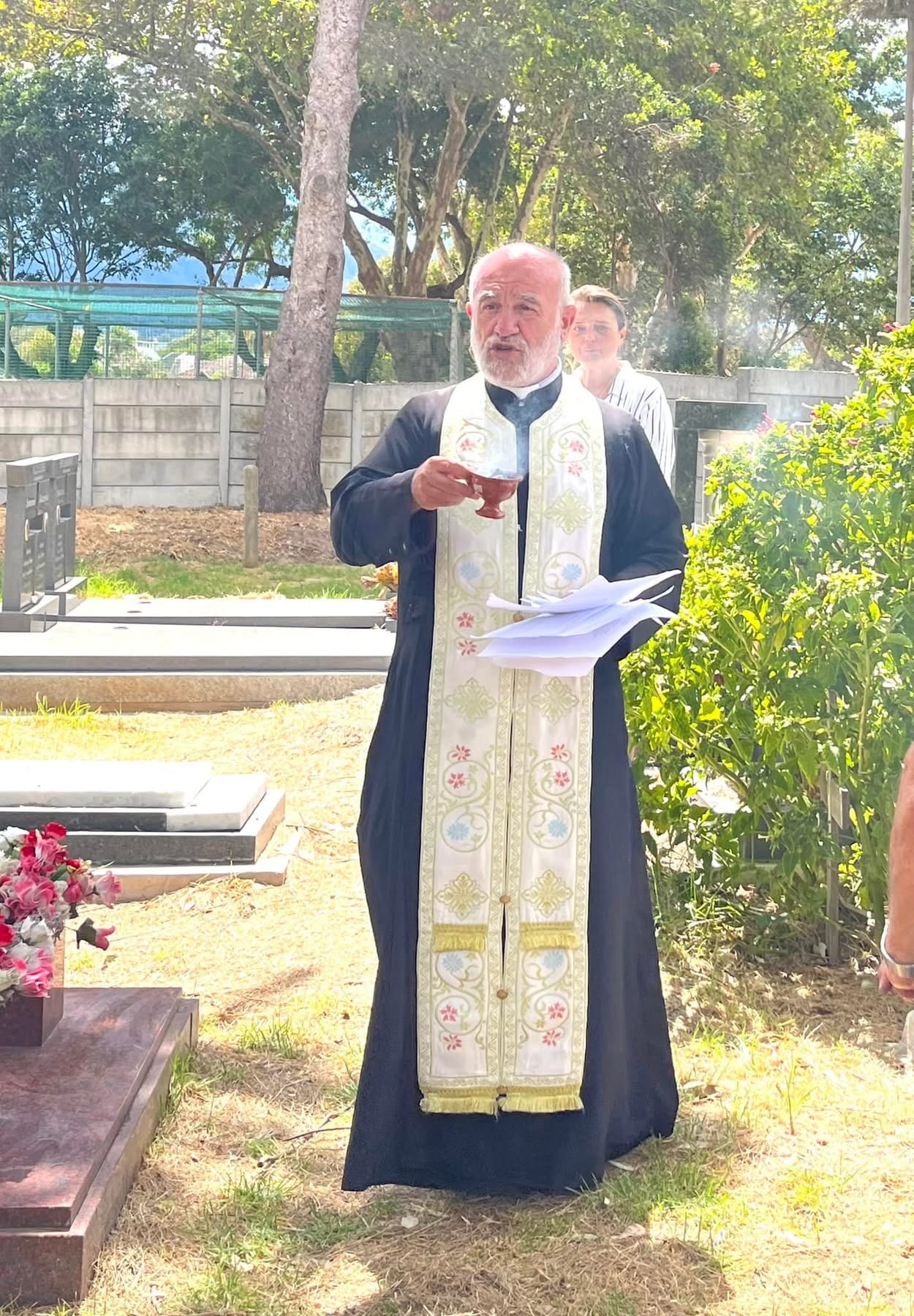
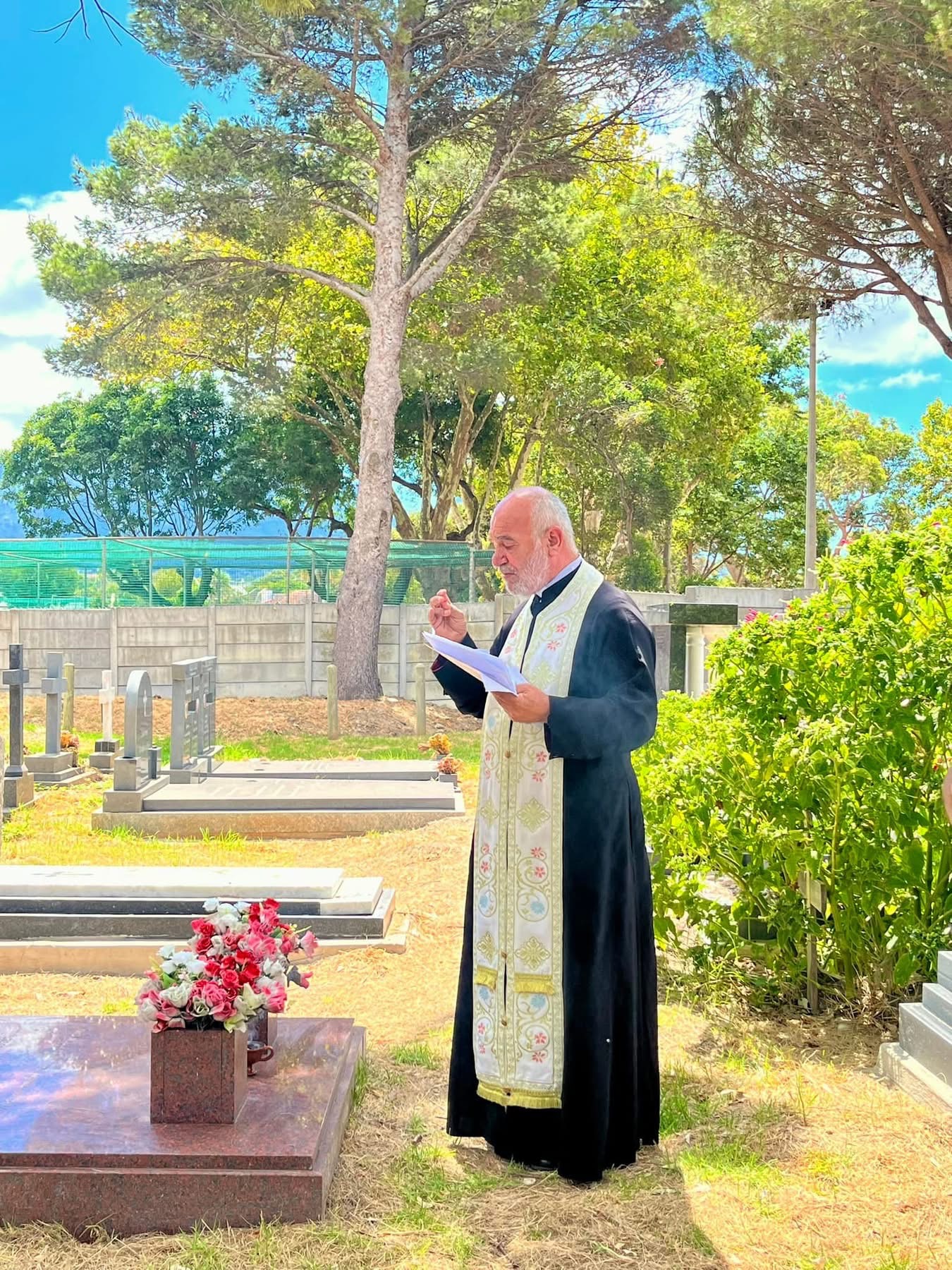
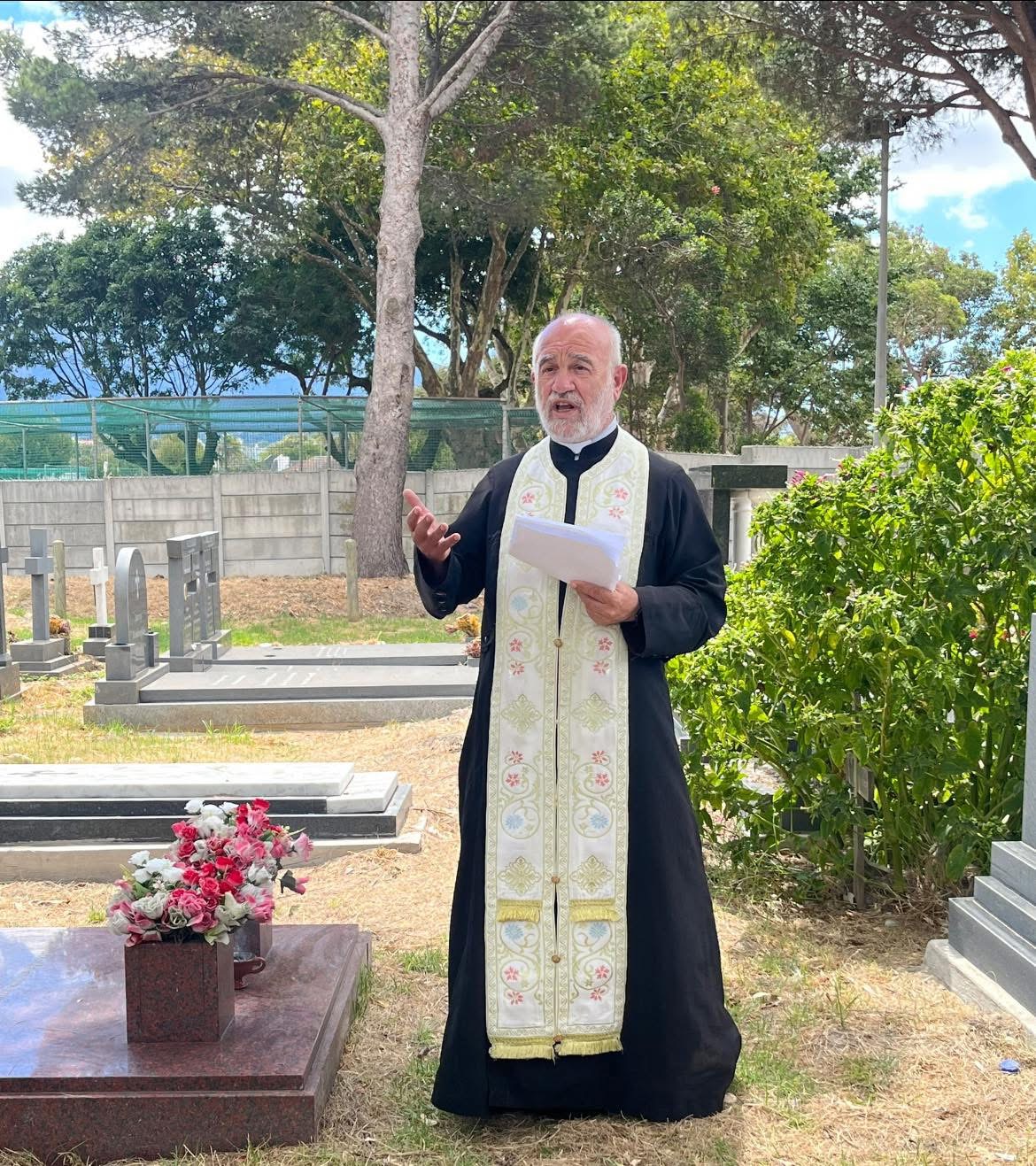
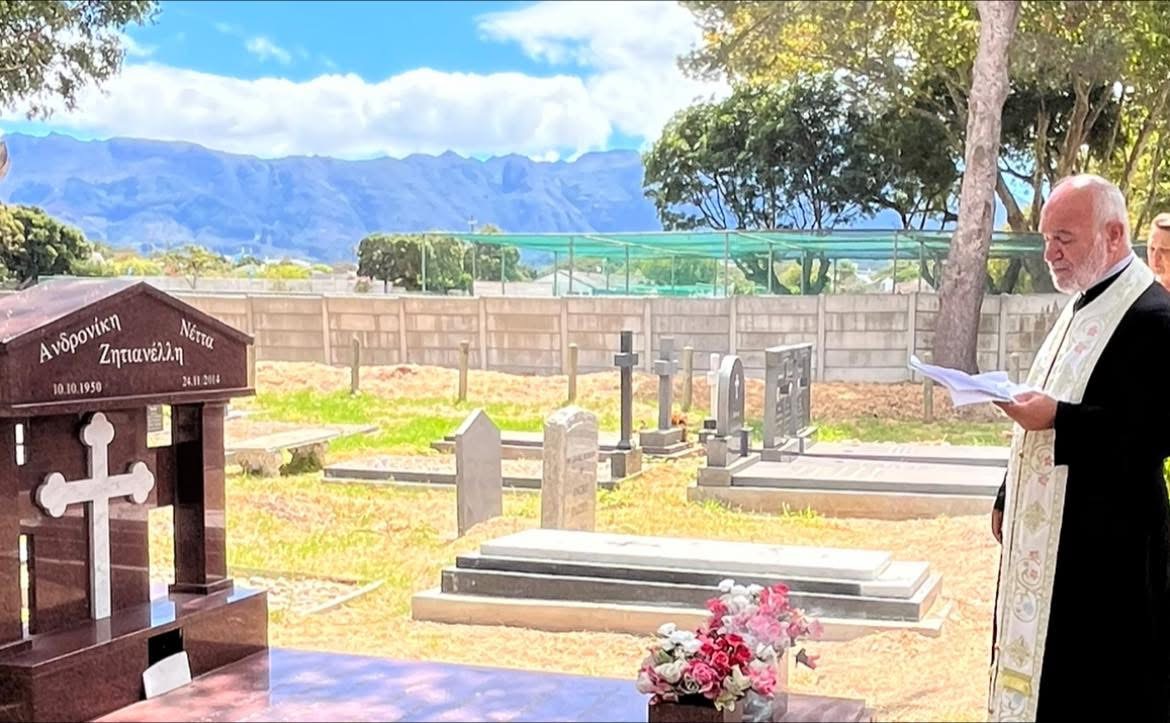
Saturday of Souls is also the day we visit the graves of departed family members, cleaning and sprucing them up and decorating with flowers and burning incense. The priest goes to the cemetery and blesses the burial sites.
It’s a comforting and uplifting service and to hear the names of your loved ones recited aloud just makes it all so very touching and reassuring.
We say “Memory Eternal” for those gone ahead to be primarily remembered by God. Think about the Good Thief on Good Friday who was crucified next to Jesus. He asked to be remembered by Christ in Paradise (Luke 23:42–43).
So by the same token we pray that the soul has entered Heaven and is experiencing eternal life in God’s grace. “Αιώνia τους ή Μνήμη “ ( Aionia tous i Mnimi) or Memory Eternal, is an exclamation of praise for Orthodox Christians who have died.
We say Xronia Polla (Many years) for those who are alive.
As we spend time reflecting upon those who have left us, by saying, “ May their memory be eternal” it’s a reminder that as long as we remember someone, they will always be with us.
“Memory Eternal” can be said anytime, but it is mostly said formally at Orthodox Funeral Services, Memorial Services (including Saturday of Souls ) and on the Sunday of Orthodoxy (the First Sunday of Great Lent).
When our loved ones are remembered, we know they are right here with us. Nothing and no one ever goes away.
Always remember those dear ones who have gone ahead as then they have not really left us and are still a part of our lives here until we meet them again.
It’s a way of finding peace and acceptance when facing the loss of a loved one.
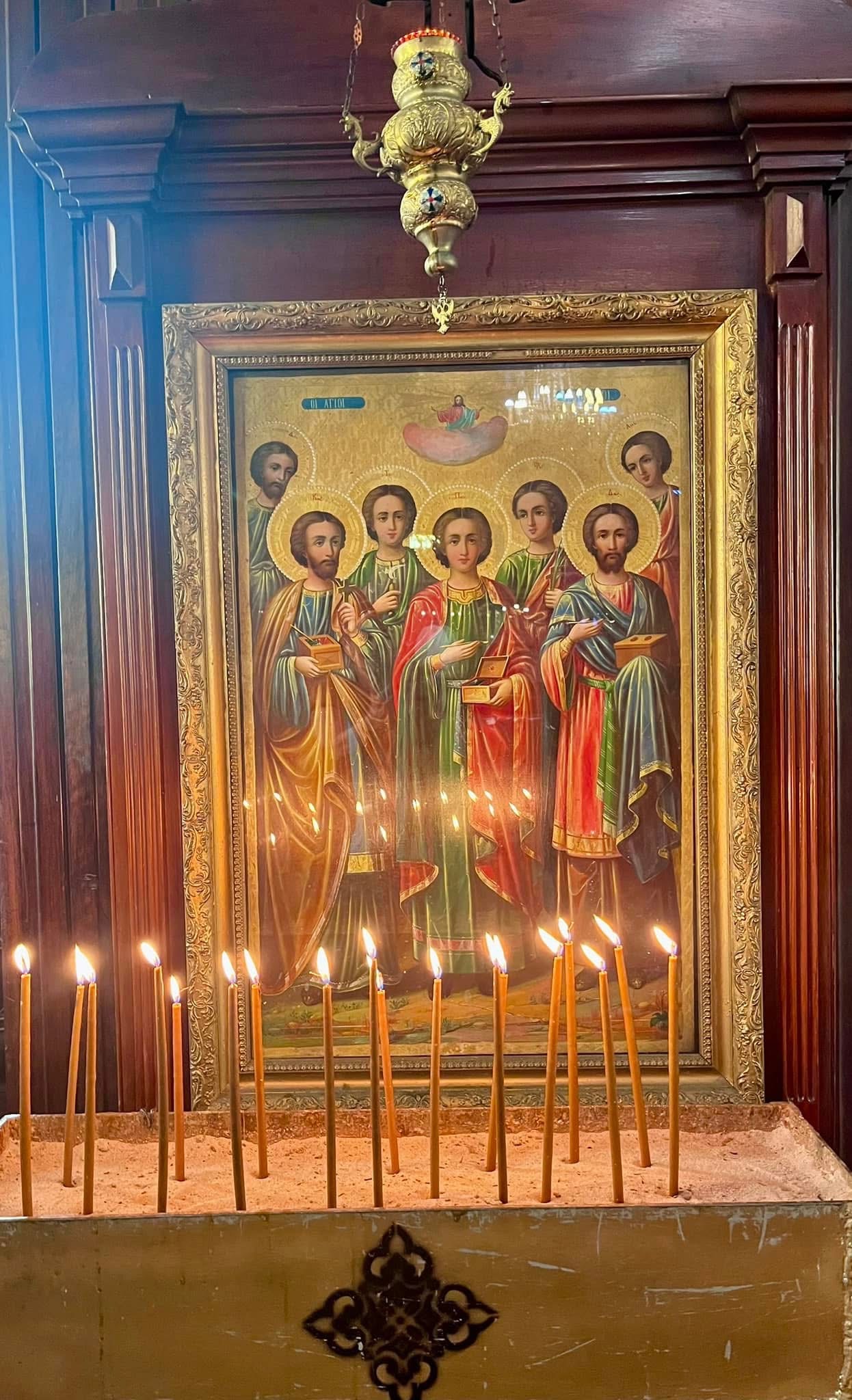
Have a blessed and peaceful week ahead. And don’t forget to light a candle for your loved ones – gone, but never forgotten.

(Text and photos: Pepe Sofianos )